
 Jane
Jane

Dystopian fiction has become one of the most talked-about areas of modern storytelling. These books imagine societies where governments control every detail of life, technology dominates daily routines, or environmental disasters reshape the world. For readers exploring the genre for the first time, finding the best dystopian novels can make the experience exciting rather than overwhelming.
Interest in dystopian novels has grown steadily in recent years as writers explore themes such as surveillance, artificial intelligence, climate change, and political instability. Many readers searching for dystopian novels for readers new to the genre want stories that are gripping, easy to follow, and thought-provoking. The best dystopian books combine suspense, social commentary, and memorable characters.
This guide explores what dystopian fiction is, why it remains so popular, and highlights some of the best dystopian novels that beginners can start reading today.
What are Dystopian Novels
Dystopian fiction describes stories set in societies that appear broken, oppressive, or deeply flawed. Instead of imagining a perfect future, dystopian stories explore worlds where power is abused, freedoms disappear, or environmental disasters reshape civilization.
In many dystopian settings, governments control citizens through strict laws, propaganda, or surveillance. These societies often promise stability or safety while secretly limiting freedom and individuality.
Common elements found in dystopian novels include:
- Authoritarian governments or powerful corporations
- Strict social hierarchies
- Loss of individual freedom
- Environmental collapse or global disasters
- Technology used for surveillance or social control
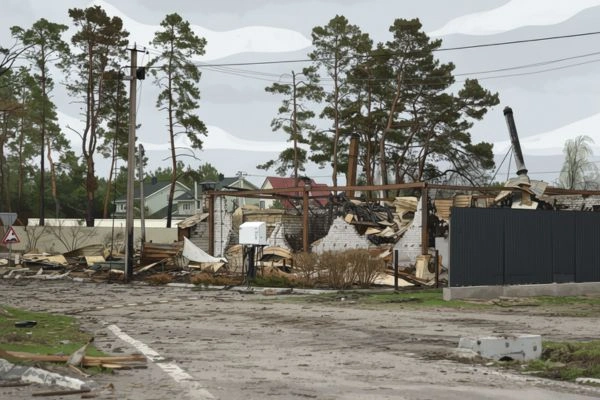
Dystopian worlds often reveal how systems meant to improve society can become dangerous when power is unchecked. In some stories, families, religion, or cultural traditions are weakened or removed to strengthen government control.
Despite the dark settings, dystopian novels usually focus on characters who resist oppression, search for truth, or attempt to rebuild society.
Why Dystopian Novels Are Popular
The continued success of dystopian fiction reflects real concerns about the future. Readers are drawn to stories that explore possible consequences of political decisions, technological developments, or environmental change.
Reflection Of Real-World Concerns
Many dystopian novels highlight fears about surveillance, social inequality, and climate change. Stories about governments monitoring citizens or corporations controlling technology are especially relevant in a world where digital data and artificial intelligence are increasingly powerful.
Modern dystopian fiction often explores the risks of data collection and social control through technology. These narratives reflect growing public concern about privacy and the potential misuse of information.
Exploration Of Big Ideas
The genre allows writers to examine questions about freedom, ethics, and responsibility. Dystopian novels ask readers to think about what might happen if current social trends continue unchecked.
Stories Of Resistance And Hope
Although dystopian settings are often bleak, many stories highlight resilience and courage. Characters frequently challenge oppressive systems or search for ways to rebuild communities.
Cultural Relevance
Classic dystopian books continue to influence modern storytelling and popular culture. Works such as 1984, Brave New World, and The Handmaid’s Tale remain widely discussed because their themes about power and freedom still resonate with modern audiences.
Best Dystopian Novels For Readers New To The Genre
Finding the right starting point is important for beginners. The best dystopian novels for readers new to the genre offer strong storytelling, relatable characters, and imaginative worlds without being overly complicated.
Below are some widely recommended titles that highlight the strengths of dystopian fiction.
1. The Hunger Games
Suzanne Collins created one of the most recognizable dystopian worlds in modern literature. The story takes place in the nation of Panem, where the government forces children from different districts to participate in a televised survival competition.
The novel follows Katniss Everdeen as she enters the dangerous arena to protect her sister. The story combines action, emotional depth, and political commentary.
Why It Is Beginner Friendly:
- Fast-paced story with clear stakes
- Memorable characters
- Exploration of media, power, and inequality
View this post on Instagram
2. The Handmaid’s Tale
Margaret Atwood’s influential novel portrays a future society where women lose most of their rights and are forced into rigid social roles.
The story follows Offred, a woman struggling to survive within an authoritarian system. The novel examines themes of control, identity, and resistance.
Why Readers Recommend It:
- Powerful social commentary
- Emotional and psychological depth
- Timely exploration of political power
The novel continues to attract new readers because its themes about authority and personal freedom remain relevant.
View this post on Instagram
3. The Dream Hotel
A more recent addition to dystopian fiction is The Dream Hotel by Laila Lalami. The story follows a woman detained by a government agency that monitors citizens’ dreams to predict potential crimes.
The novel explores a chilling question. What happens when technology begins judging people for thoughts they have not yet acted on?
The story focuses on a near-future system where individuals may be detained based on predictive analysis of their dreams.
Why It Stands Out:
- Psychological tension
- Exploration of predictive technology
- Character-driven storytelling
View this post on Instagram
4. Vera, Or Faith
Gary Shteyngart’s Vera, or Faith, presents a darkly humorous look at life in a declining democracy. The story centers on a young girl growing up in a near-future United States where political instability shapes everyday life.
The novel uses satire and emotional storytelling to explore family relationships and social change.
Reasons Readers Enjoy It:
- Unique mix of humor and dystopian themes
- Strong character perspective
- Insightful commentary on society
View this post on Instagram
5. The Merge
Grace Walker’s The Merge offers a disturbing look at a future shaped by climate disasters and technological experimentation.
The story blends environmental concerns with psychological suspense. Critics have described it as a compelling and unsettling dystopian thriller that explores questions about identity, control, and survival.
Why It Works For New Readers:
- Intense and suspenseful story
- Modern themes about climate change
- Character-focused narrative
View this post on Instagram
Common Themes Found In Dystopian Fiction
The best dystopian books often share several recurring themes that help readers explore complex ideas about society.
Government Control
Many dystopian novels focus on authoritarian governments that monitor citizens and enforce strict rules.
Surveillance Technology
Technology plays a major role in modern dystopian stories. Surveillance cameras, data tracking, and artificial intelligence are often used to maintain control over populations.
Environmental Collapse
Climate disasters are a growing theme in contemporary dystopian fiction. Rising sea levels, droughts, and ecological breakdown often serve as the backdrop for new stories.
Social Inequality
Dystopian societies frequently divide people into rigid classes, where wealth and power determine access to resources.
Modern Trends In Dystopian Fiction
The genre continues to evolve as new writers introduce fresh ideas and perspectives.
Recent dystopian stories often include:
Technology-Driven Societies
Artificial intelligence, digital surveillance, and predictive algorithms are common elements in modern dystopian fiction.
Climate-Focused Narratives
Environmental collapse has become a central theme in many recent novels, reflecting global concerns about climate change.
Global Perspectives
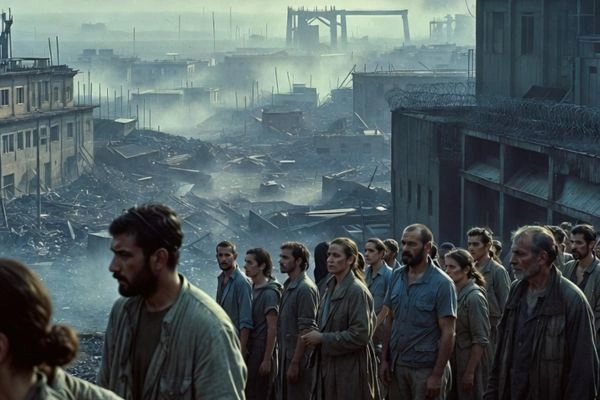
Writers from different regions are exploring how dystopian futures might affect specific cultures and communities.
Hybrid Genres
Many modern dystopian novels blend elements of science fiction, thriller, romance, or literary fiction.
How To Choose The Best Dystopian Books
Readers new to dystopian fiction can start with a few simple strategies.
Look For Character-Driven Stories
Books that focus on personal struggles within dystopian societies are often easier for beginners to follow.
Explore Different Subgenres
Dystopian fiction includes several styles:
- Political dystopia
- Environmental dystopia
- Technological dystopia
- Post-apocalyptic stories
Exploring different types can help readers find their favorite themes.
Start With Popular Titles
Many beginner readers start with well-known books because they combine strong storytelling with accessible writing styles.
The Lasting Influence Of Dystopian Fiction
Dystopian novels remain popular because they encourage readers to imagine the consequences of present-day decisions. By exaggerating social trends or technological developments, these stories offer warnings about the future while still delivering compelling narratives.
Writers continue to explore questions about freedom, identity, and power through imaginative storytelling. These themes ensure that dystopian fiction remains relevant across generations.
For readers exploring the genre for the first time, discovering the best dystopian novels can open the door to an entire world of thought-provoking stories.
Frequently Asked Questions
What are dystopian novels?
Dystopian novels are stories set in societies where life is oppressive, controlled, or deeply flawed. They explore themes like authoritarian governments, social inequality, environmental collapse, and technology used for surveillance or control.
Why are dystopian novels so popular?
Dystopian novels remain popular because they combine gripping stories with reflections on real-world issues such as AI, surveillance, climate change, and political power. Readers enjoy imagining the consequences of current trends taken to extremes.
How do dystopian novels differ from post-apocalyptic stories?
Dystopian novels focus on oppressive, organized societies with strict rules, while post-apocalyptic stories are set after a catastrophic event destroys civilization. Some novels blend both styles to create hybrid narratives.
How should beginners choose dystopian novels?
Start with character-driven stories and popular titles that are easy to follow. Explore different subgenres like political, environmental, technological, or post-apocalyptic dystopias to find what resonates.
Why should readers explore dystopian fiction?
Dystopian fiction challenges readers to think critically about freedom, ethics, and societal trends. It entertains while highlighting the potential consequences of unchecked power, technology, and environmental change.
Wrapping Up The Best Dystopian Novels For Readers New To The Genre
Exploring dystopian novels for readers new to the genre can be an unforgettable experience. These stories challenge assumptions about society, technology, and human behavior.
The best dystopian books combine suspense, imagination, and meaningful themes. They introduce readers to complex worlds while focusing on characters who struggle, resist, and hope for change.
From powerful classics to recent releases about surveillance, artificial intelligence, and environmental collapse, dystopian fiction continues to evolve. Each story invites readers to imagine how the future might unfold and what it means to protect freedom and humanity in uncertain times.
For anyone curious about speculative fiction, starting with the best dystopian novels is an excellent way to explore one of the most fascinating genres in modern literature.